Els òrgans del Parlament
El grup parlamentari és la traducció parlamentària del partit polític o de la coalició electoral i té la funció de convertir el programa polític d’aquests en iniciatives parlamentàries i en programa de govern.

Per saber-ne més
El grup parlamentari és la traducció parlamentària del partit polític o de la coalició electoral i té la funció de convertir el programa polític d’aquests en iniciatives parlamentàries i en programa de govern. Al Parlament de Catalunya, per formar grup parlamentari, cal un mínim de cinc membres, que han de ser d’un mateix partit o d’una mateixa coalició electoral, encara que hagin estat elegits per circumscripcions electorals diferents; només es pot constituir un grup parlamentari per coalició o partit. Si es dona el cas, els diputats que restin sense adscriure’s en cap grup de partit o coalició electoral, integren el Grup Mixt. Els diputats que abandonin el seu grup o en siguin expulsats passen a tenir la condició de membres no adscrits durant tota la legislatura, llevat que retornin al grup parlamentari d’origen, amb el consentiment previ del portaveu corresponent. Això no obstant, en el cas d’expulsió del grup parlamentari de tots els diputats d’una formació política integrats en el si d’una coalició o federació, els diputats afectats han de passar al Grup Mixt.
Cada grup designa una persona com a portaveu perquè el representi amb caràcter general. Els grups tenen despatxos i mitjans materials propis a l’edifici del Parlament per a acomplir les seves tasques, i també disposen d’assessorament tècnic al seu càrrec.
Els portaveus de cada grup parlamentari, juntament amb el president del Parlament, un dels secretaris i el secretari general, o el lletrat que eventualment el substitueixi, formen la Junta de Portaveus, les funcions més importants de la qual són establir els criteris que contribueixen a ordenar i a facilitar les tasques i els debats del Parlament i decidir la comissió competent per a estudiar els projectes i les proposicions de llei o per a tramitar les diverses iniciatives. També hi poden prendre part la resta dels membres de la Mesa, una persona en representació del Govern i, acompanyant el portaveu o qui el substitueix, un membre més per cada grup parlamentari.
La Mesa del Parlament és l’òrgan rector col·legiat de la cambra; té una presidència, dues vicepresidències i quatre secretaries, càrrecs elegits, en votacions separades, pel Ple del Parlament, en el marc de la sessió constitutiva que obre la legislatura. Les funcions més importants de la Mesa són: ordenar el treball parlamentari, interpretar el Reglament i dirigir els serveis del Parlament. El president del Parlament té la representació de la cambra; estableix i manté l’ordre de les discussions i del debat, d’acord amb el Reglament, i vetlla per mantenir l’ordre dins el Parlament. En casos de vacant, absència o impediment, el president és substituït pels vicepresidents per ordre consecutiu. Els secretaris supervisen i autoritzen les actes de les sessions plenàries, de la Mesa i de la Junta de Portaveus; assisteixen el president durant les sessions per assegurar l’ordre en els debats i la correcció en les votacions, i també hi col·laboren en els treballs de la cambra.
Tots els diputats reunits en sessió constitueixen el Ple del Parlament. El Ple és l’òrgan suprem de la cambra, en el qual es debaten en última i definitiva instància les qüestions que segons l’Estatut són competència del Parlament de Catalunya. Per poder adoptar acords vàlidament, el Ple ha de comptar amb l’assistència de la majoria absoluta dels diputats i trobar-se reunit a la seu del Parlament. El Ple és convocat (i desconvocat, si s’escau) pel president del Parlament, a iniciativa pròpia o a sol·licitud almenys de dos grups parlamentaris o d’una cinquena part dels membres del Parlament. La convocatòria ha de fixar l’ordre del dia de la reunió. En les sessions del Ple els membres del Parlament seuen sempre al mateix lloc, agrupats segons el grup parlamentari al qual pertanyen. El president de la Generalitat i els membres del Govern, o consellers, tenen destinat un banc especial al Saló de Sessions. Tots els consellers poden assistir-hi i intervenir-hi encara que no siguin membres del Parlament.
Quan la legislatura ha acabat, o la cambra ha estat dissolta, o en els períodes entre sessions, en què el Ple no es reuneix, les funcions que té encomanades són complertes per la Diputació Permanent, la qual es compon de vint-i-tres membres, designats pels grups parlamentaris en proporció al seu nombre de components, i és presidida pel president del Parlament. La Diputació Permanent, un cop constituït el Parlament de la nova legislatura, ha de donar-li compte de les decisions que ha pres.
Les comissions són grups reduïts de diputats que reprodueixen proporcionalment la distribució de grups parlamentaris del Ple i s’especialitzen en alguna de les matèries de què tracta la cambra. S’hi porta a terme gran part del treball parlamentari. Les comissions que constitueix el Parlament poden ser legislatives o específiques.
Són comissions legislatives les que crea el Ple de la cambra amb aquest caràcter i la Comissió de Reglament, que elabora i reforma el Reglament del Parlament. El Ple del Parlament, dins la setmana següent a la investidura del president de la Generalitat, acorda per majoria absoluta, a proposta de la Mesa i de la Junta de Portaveus, el nombre i l’àmbit de les comissions legislatives.
Posteriorment, d’acord amb els mateixos requisits, el Ple també pot acordar la creació d’altres comissions legislatives o bé dissoldre les que ja hi ha creades.
Aquestes comissions:
- Preparen la discussió en el Ple dels projectes i les proposicions de llei que els corresponen per raó de la matèria.
- Reben informació dels membres del Govern de la Generalitat, o consellers, sobre la seva gestió.
- Poden aprovar resolucions i cridar els consellers respectius per fer-ne el control polític i fiscalitzar-ne l’actuació administrativa.
Són comissions específiques les que tenen una funció concreta o bé la comesa de relacionar-se amb institucions o entitats públiques determinades. N’hi ha de tres tipus diferents: les creades pel Reglament, les creades per llei i les creades pel Ple (que poden ser, d’estudi o d’investigació o de seguiment). Les comissions d’estudi, d’investigació i de seguiment analitzen afers que afecten la societat, investiguen els afers d’interès públic que siguin competència de la Generalitat i controlen específicament determinades actuacions i polítiques públiques del Govern.
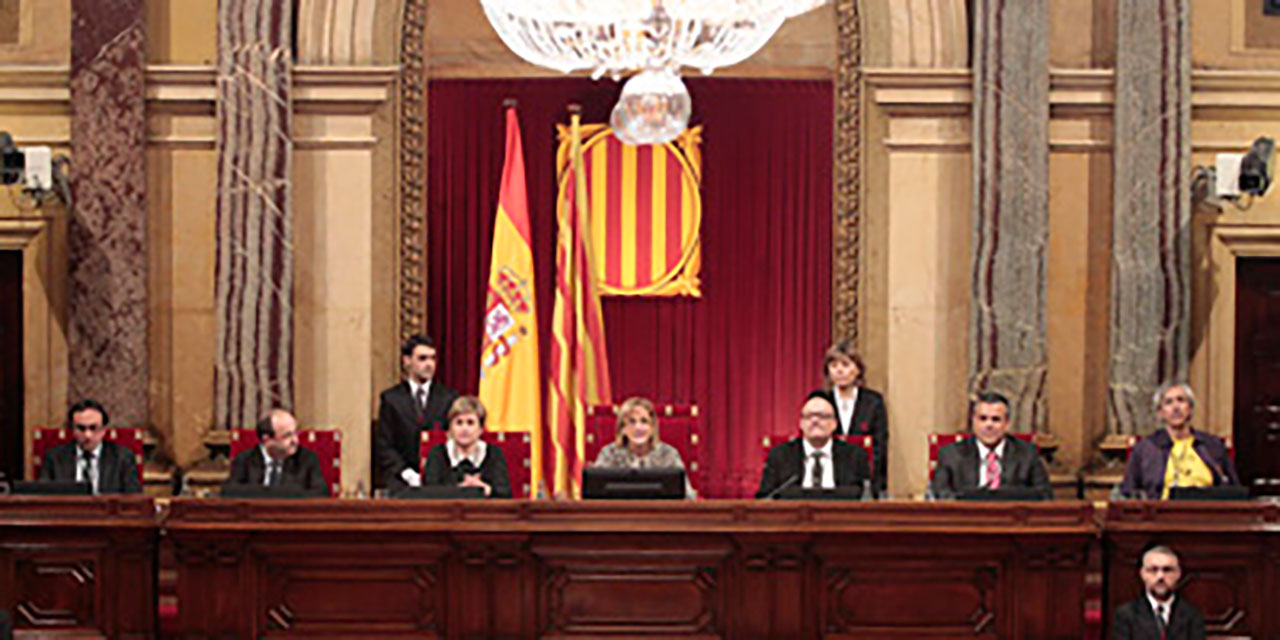
La Mesa del Parlament
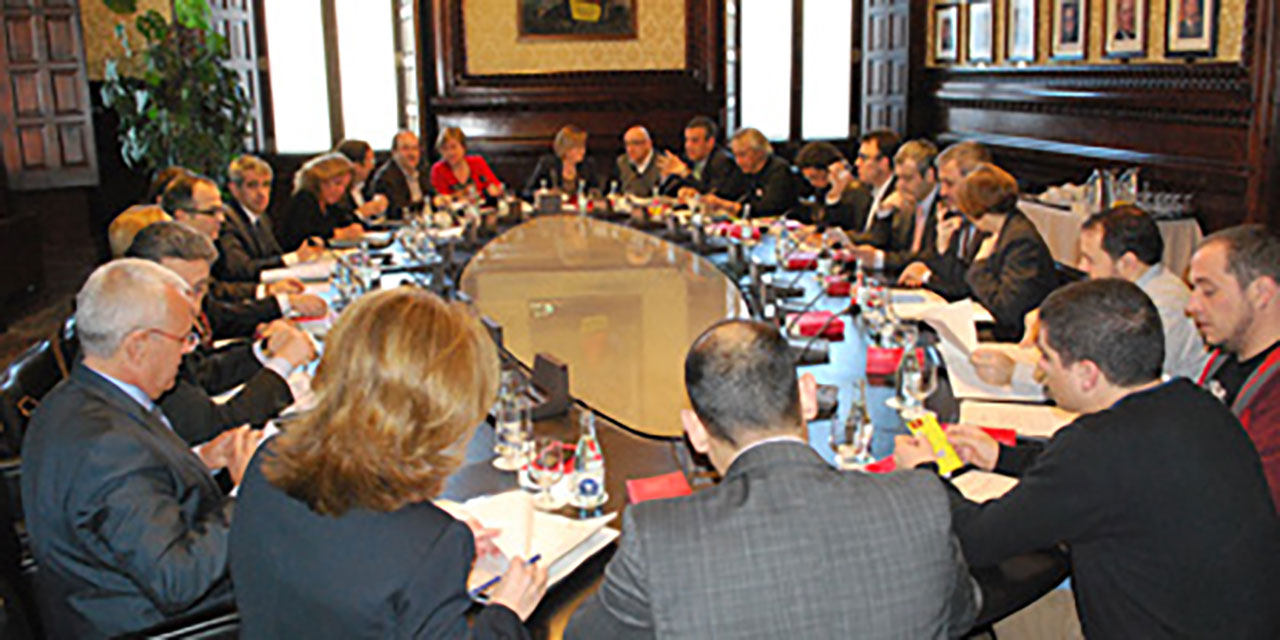
La Junta de Portaveus
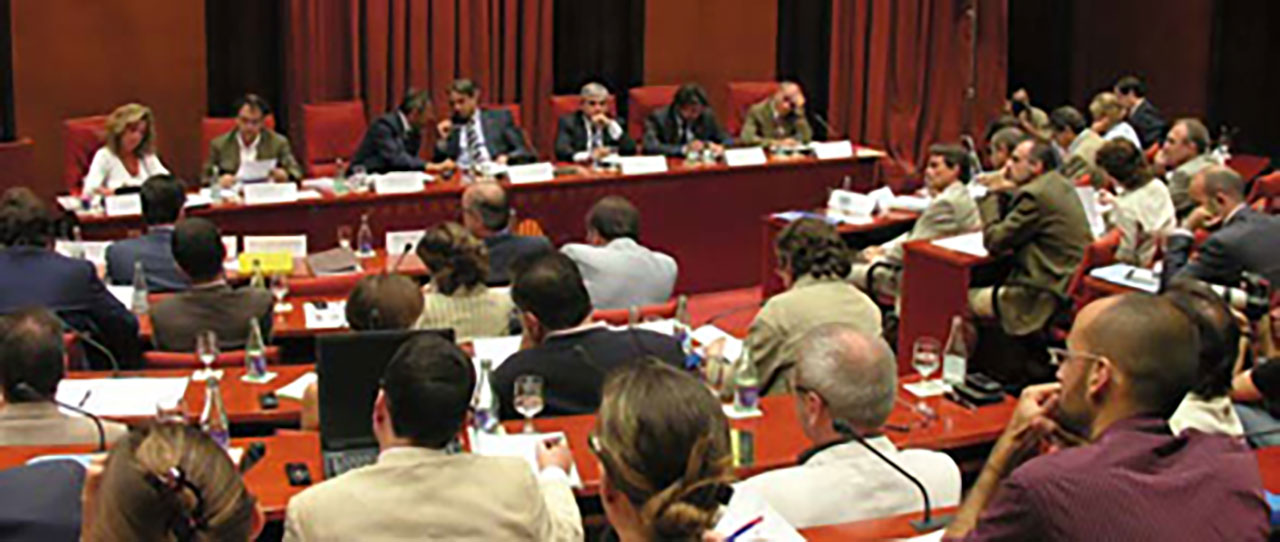
La Diputació Permanent
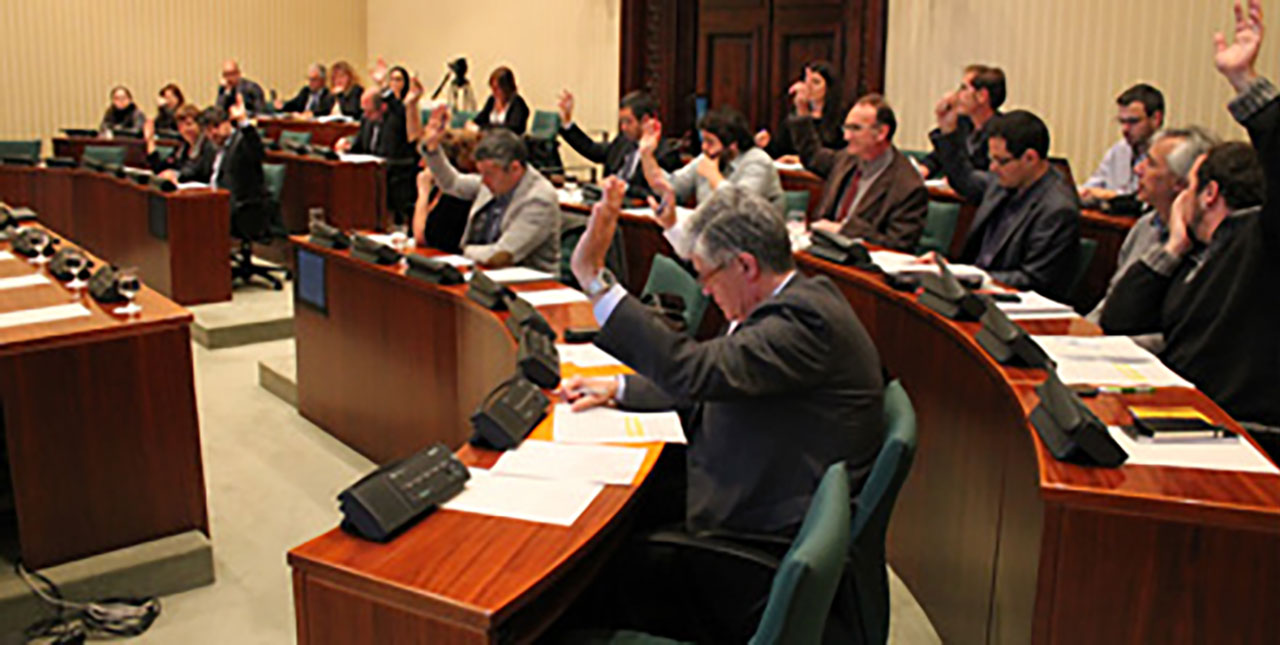
Reunió d’una comissió